Rattan vs Wood vs Metal: Which Outdoor Furniture Fits a Muted Patio Best?
I have stood on my patio more times than I can count, coffee in hand, wondering why a space I loved in theory never quite felt settled. The plants were happy, the light was soft, and yet something about the furniture felt off — too heavy, too shiny, or simply too loud for the calm I wanted. That is what sent me down this comparison, and I am glad I took the time, because the material you choose changes far more than the look of a patio. It changes how you sit, how long you stay outside, and how much work the space asks of you afterwards.
Rattan, wood and metal are the three materials I kept coming back to, and each one can work beautifully in a muted palette. The trick is not finding the “best” one in general, but finding the one that fits your patio, your habits and your tolerance for upkeep. So here is an honest, side-by-side look at all three, through the lens of a calm, muted outdoor space.
Rattan: soft, woven and easy to calm down
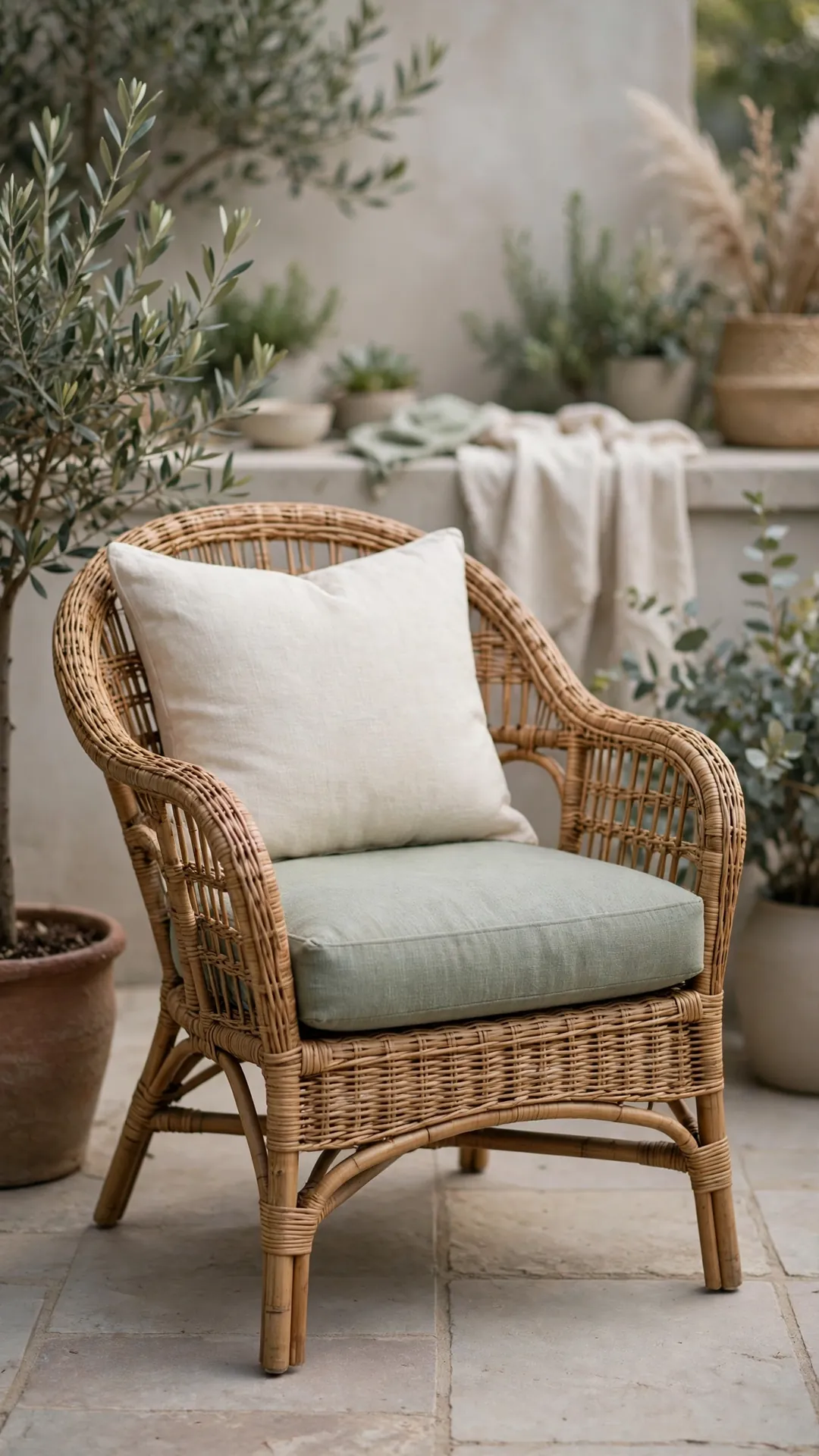
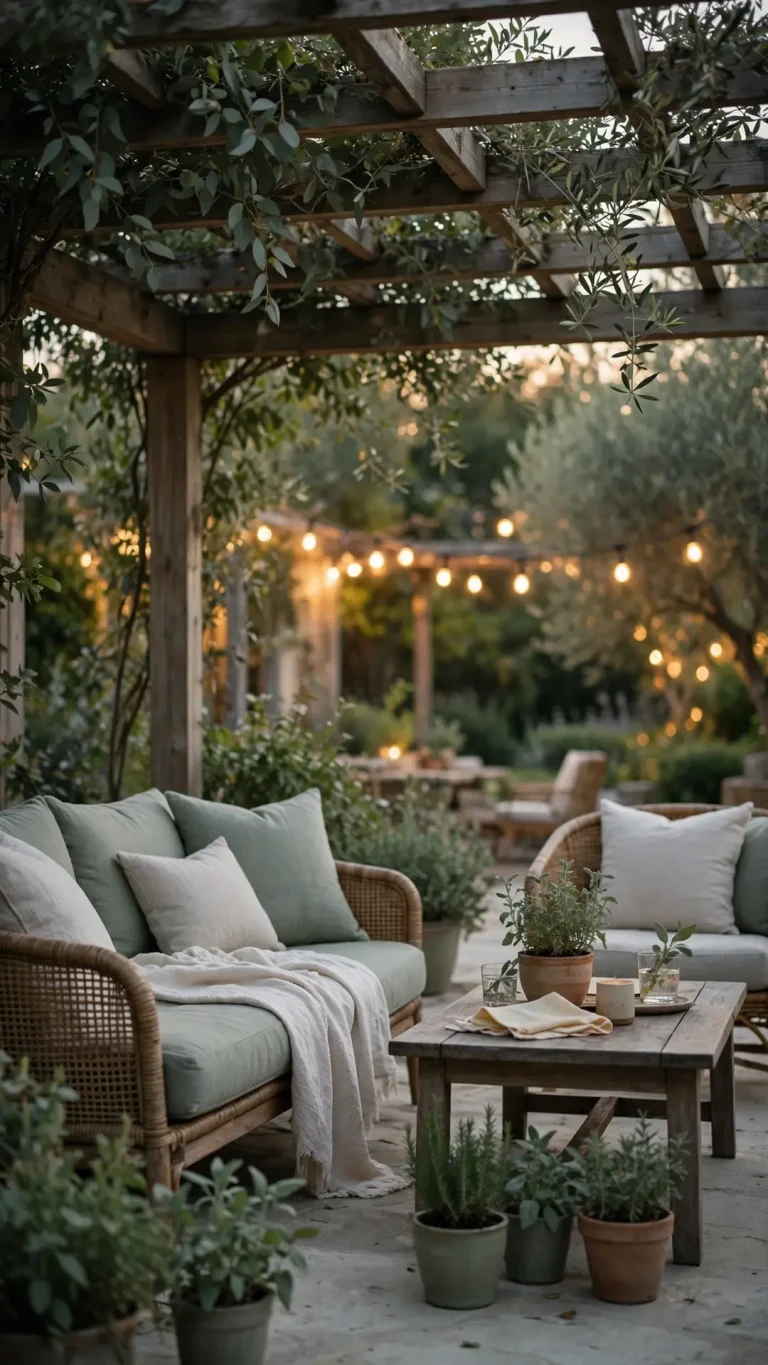
Rattan was the first material that made my patio feel like a room rather than a yard. There is something about the woven texture that softens everything around it. Even a plain chair looks inviting once that weave catches the light, and in natural, honey or grey-washed tones it sits very comfortably beside sage cushions, cream throws and terracotta pots. It does not demand attention, which is exactly what a muted patio needs.
Comfort is where rattan quietly wins. The slight give of the weave, especially with a good cushion, makes it easy to sink in with a book and stay there. I find it suits slow mornings and long evening conversations better than any other material, because it never feels stiff or formal. If your patio is a place for resting rather than dining at speed, rattan earns its place quickly.
Upkeep is refreshingly simple, which matters more than I expected. A quick brush or wipe keeps it looking tidy, and cushions can be brought inside when the weather turns. The one thing I watch is prolonged damp: rattan likes a sheltered corner or a cover during heavy rain, and it rewards that small bit of care by keeping its shape and colour for years. For a calm patio, that gentle routine feels like a fair trade.
Wood: warm, natural and grounding
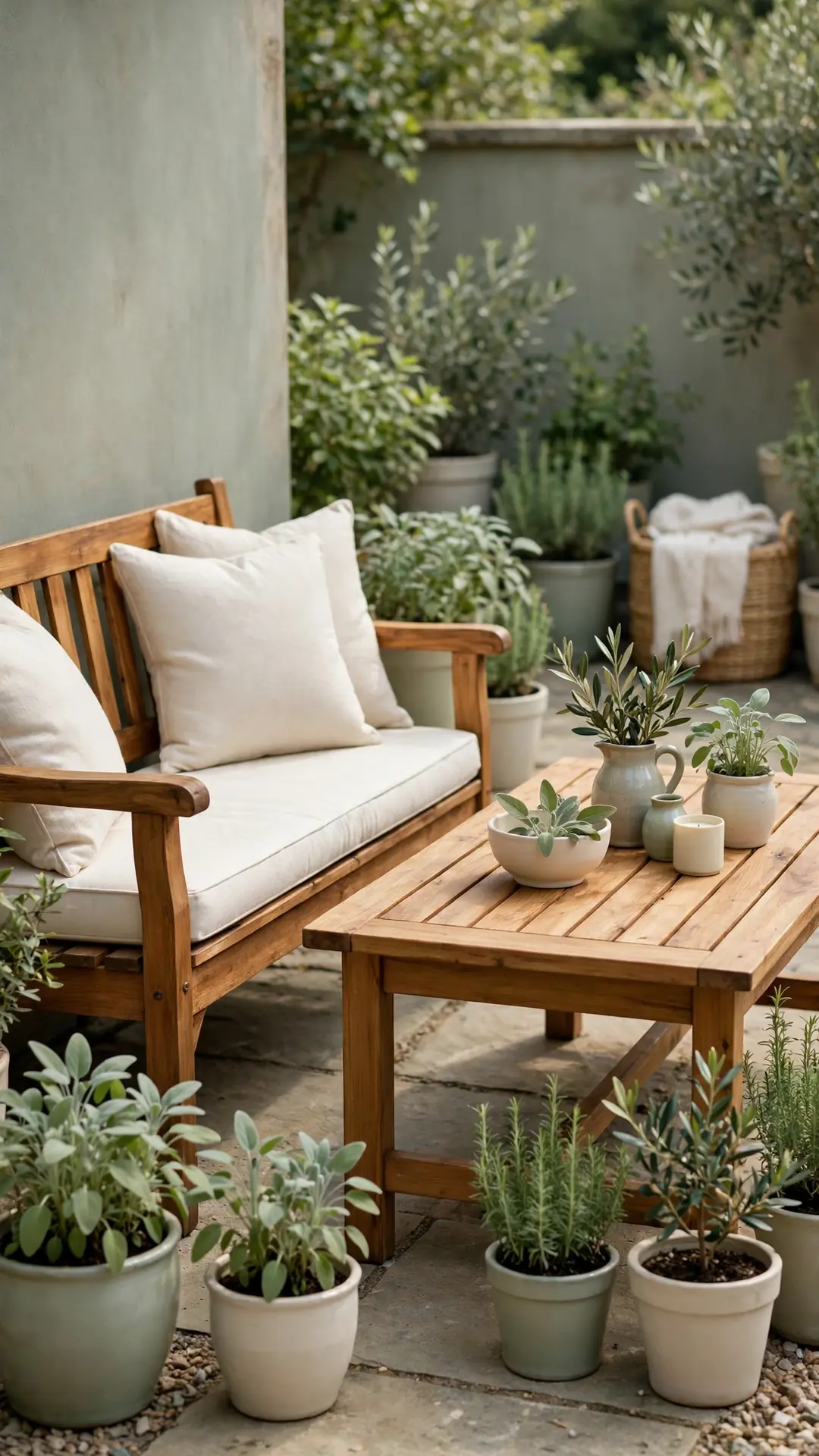
Wood brings a warmth that no other material quite matches. The moment I added a wooden bench, the patio felt grounded, as if the space had finally put down roots. Natural grain, soft edges and warm tones pair beautifully with muted greens and creams, and wood ages with a character that suits a lived-in garden. It looks just as good beside a climbing plant as it does beside a plain rendered wall.
There is also a solidity to wood that I appreciate. A wooden chair or bench stays put in a breeze, feels steady when you sit down, and gives a small patio a sense of permanence. It works especially well if you like a natural, garden-led look, where the furniture feels like part of the landscape rather than something placed on top of it. A simple wooden table, too, becomes the natural gathering point for coffee, meals and quiet evenings.
Wood does ask a little more of you than the other two materials, and I think it is only fair to say so. An occasional clean and a coat of oil or protective finish keeps it looking its best, and leaving it untreated will let it silver over time. Some people love that weathered look, and honestly, on a muted patio it can be beautiful. The key is deciding which version of wood you prefer — warm and freshly oiled, or soft and silvered — and then letting it age on your terms.
Metal: slim, sturdy and modern
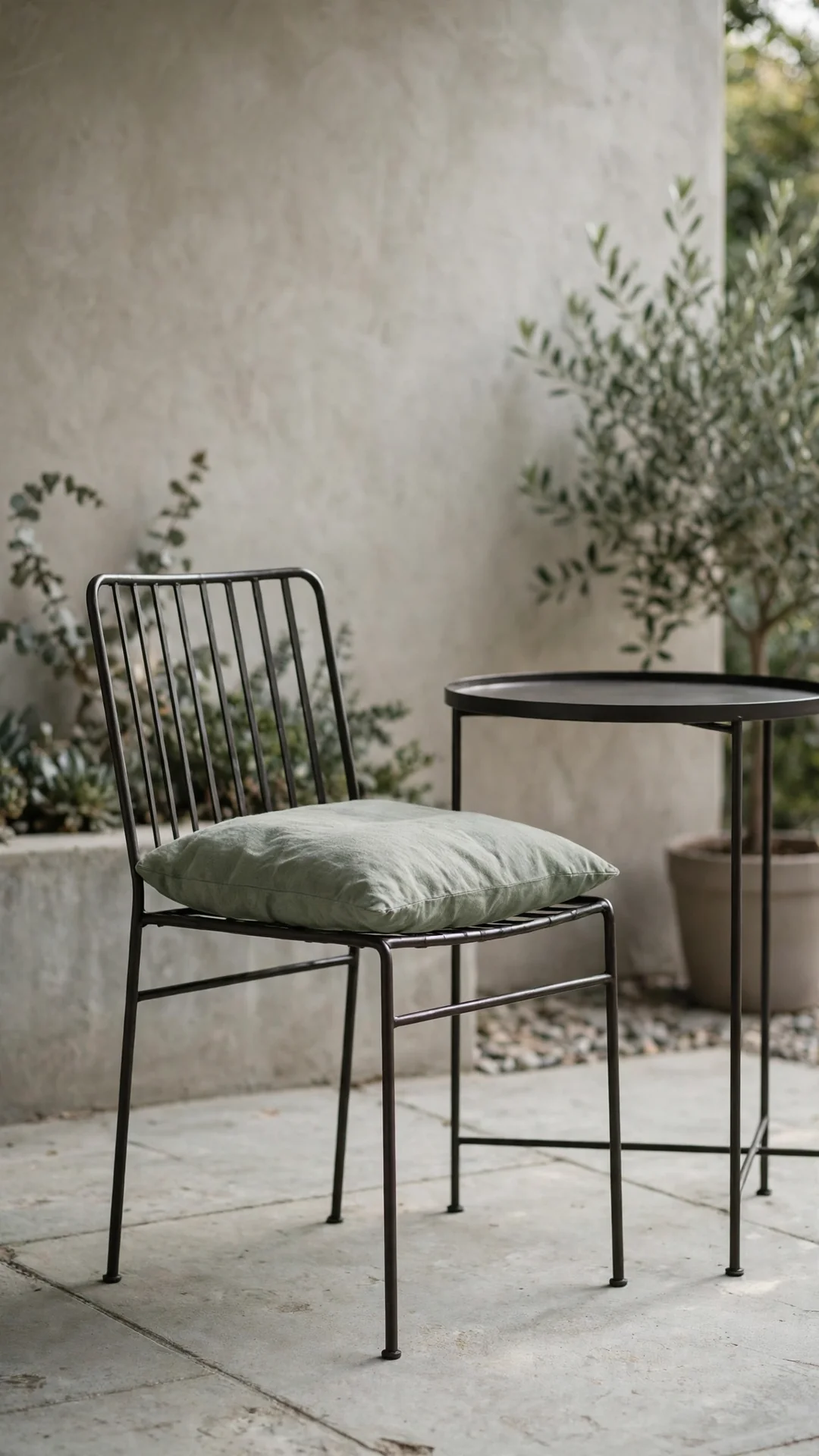
Metal surprised me the most. I had assumed it would feel cold or industrial, but a slim, well-designed metal chair in a muted dark finish can look remarkably calm. Its thin lines keep a small patio feeling open, because your eye travels straight past it to the plants and the sky. Where bulkier furniture can crowd a space, metal steps back and lets the patio breathe.
Sturdiness is metal’s clear strength. It handles daily use without wobbling, stacks or folds away neatly when you need the space, and generally needs very little attention beyond a wipe down. I reach for metal when I want furniture that simply works — a chair I can pull out for an extra guest, a small table that moves wherever the sun happens to be. That flexibility is easy to underestimate until you live with it.
Comfort depends on the design, and this is where I would take my time choosing. A bare metal seat is not the place for a long, lazy afternoon, but add a simple cushion in sage or cream and the whole feeling changes. Once cushioned, metal becomes just as inviting as the other materials, with the added bonus of a crisp, modern silhouette. On a muted patio, that contrast — slim dark lines against soft planting — can be quietly striking.
The verdict: choosing by patio size and upkeep
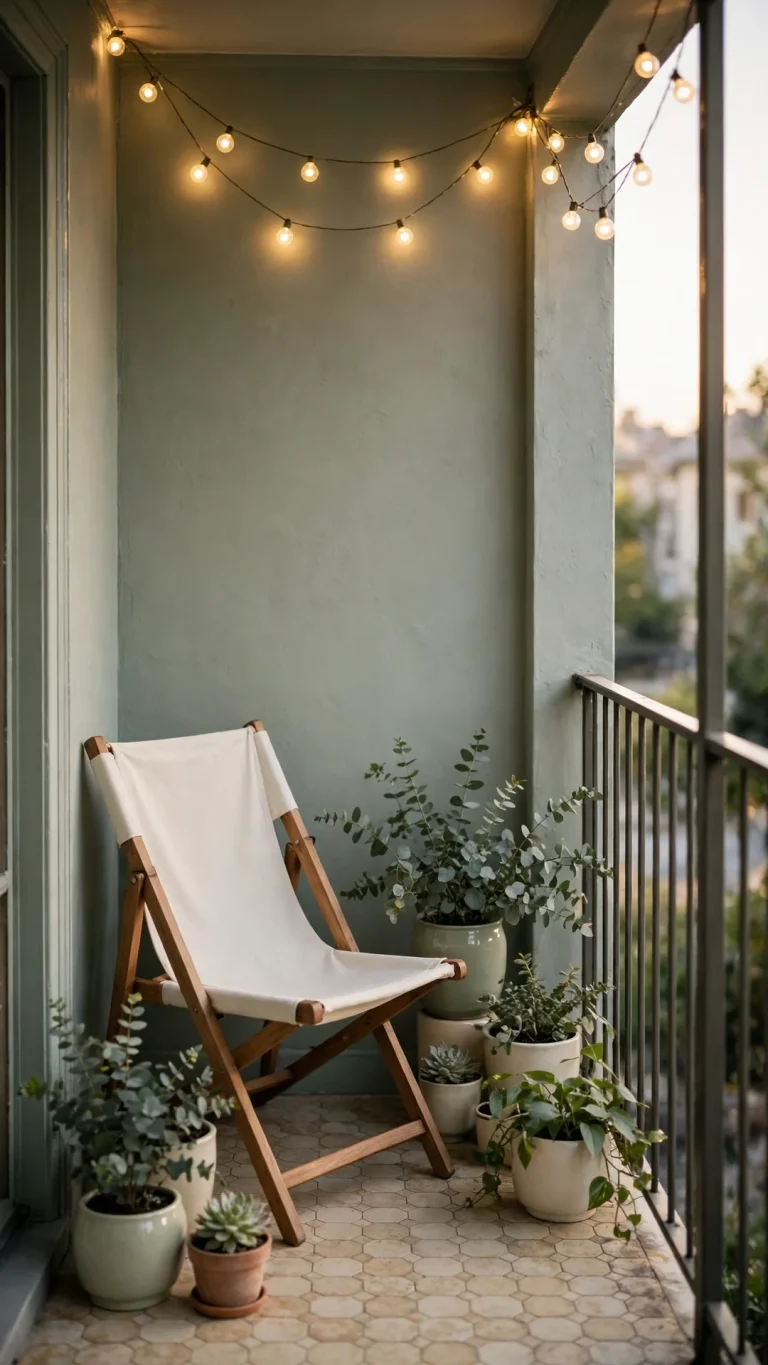
If I had to choose for one patio, I would start with two honest questions: how big is the space, and how much upkeep do I actually enjoy? For a small patio or balcony, metal’s slim profile or a single rattan chair keeps things airy. For a medium or larger patio where you want a grounded, garden-like feel, wood anchors the space beautifully. And for pure lounging comfort, rattan is hard to beat.
Here is a short checklist to help you decide:
- Small patio, low upkeep: choose slim metal pieces with soft cushions in sage or cream.
- Love to lounge: choose rattan for its woven softness and easy comfort.
- Want warmth and permanence: choose wood, and decide whether you prefer it oiled or gently silvered.
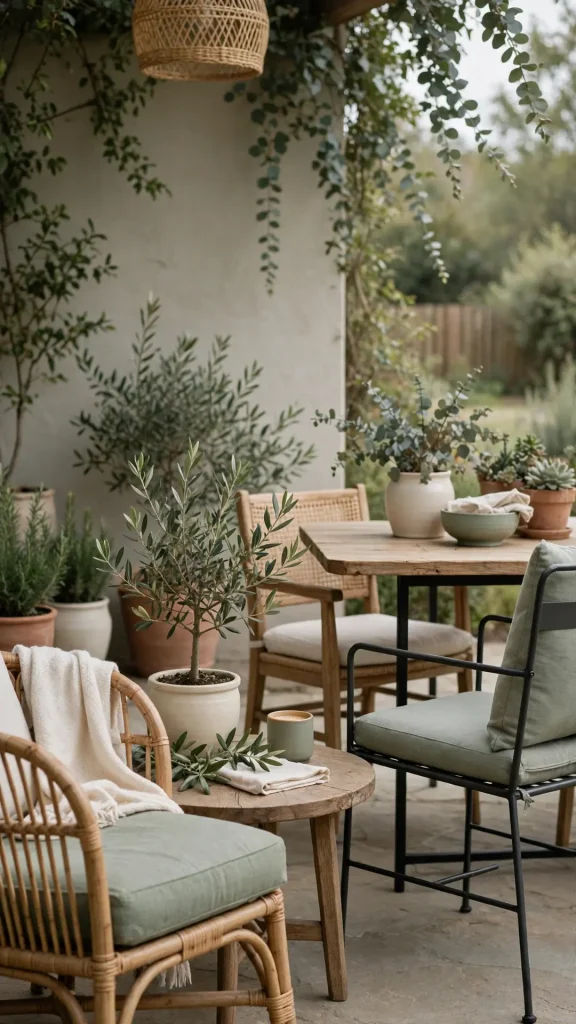
- Unsure? mix materials — a wooden table with rattan chairs, or metal chairs beside a wooden bench, still looks calm if the colours stay muted.
- Whatever you choose: keep cushions and finishes in one quiet palette so the materials, not the colours, do the talking.
Frequently asked questions
Which outdoor furniture material lasts longest?
All three can last for years with basic care. Metal is the most resistant to daily wear, wood lasts well when it is cleaned and protected occasionally, and rattan lasts longest in a sheltered spot or under a cover during heavy rain.
Which material is most comfortable without cushions?
Rattan, because its woven seat has a natural softness. Wood is comfortable for shorter sits and dining, while metal is best paired with a cushion for longer, relaxed sitting.
Can I mix rattan, wood and metal on one patio?
Yes, and on a muted patio it often looks better than matching everything. Keep the colour palette calm — sage, cream, natural wood and one dark metal tone — and the mix will feel collected rather than cluttered.
I have learned that a calm patio is not about having the perfect set, but about choosing furniture that lets you relax in it. Whether you lean towards the softness of rattan, the warmth of wood or the clean lines of metal, the right choice is the one that makes you want to step outside, sit down and stay a little longer. Start with your space, be honest about upkeep, keep the palette muted, and let the patio grow calm around you.

About the author
Hi, I'm Alia. I write about calm, muted homes that still feel lived in — better light, softer colours, and simple ideas that work on a real budget, learned in my own small home.